Is price per square foot helping you or confusing you in Houston Heights? You are not alone. PPSF can be a useful benchmark, but it can also mislead if you do not control for lot value, age, and property type. In a street-by-street market like the Heights, the details matter.
In this guide, you will learn what PPSF really measures, how to calculate it correctly, and how to compare bungalows, townhomes, and new construction across 77008. You will also see how lot premiums and historic overlays affect value, plus practical steps to avoid mispricing whether you are buying or selling. Let’s dive in.
What PPSF really means
Price per square foot is the sale price divided by the home’s gross living area. In most cases, that means the finished, heated space above grade. Garages, porches, patios, and detached structures are usually excluded. The basic formula is simple: PPSF = Sale Price / Gross Living Area.
That simplicity is also the trap. PPSF ignores the lot cost and many features that buyers in the Heights pay for, like parking, recent renovations, or a quieter block. The number is most helpful when you compare truly similar homes and then adjust for differences.
Why PPSF is tricky in the Heights
Houston Heights includes multiple sub-areas and micro-locations where the street, block, and lot can swing value. Proximity to retail corridors, green boulevards, or tree canopy can raise prices. Corner lots, wider frontages, and deeper lots often carry premiums that push PPSF higher, even when the structure is modest.
Across property types, PPSF behaves differently. A small, updated bungalow can show a very high PPSF because the living area is small. A townhome may show a different PPSF because of its smaller private lot and POA fees. New construction often shows the highest PPSF because buyers pay for modern layouts and a new-structure premium on top of land.
Verify square footage first
In 77008, different sources can report different square footage. MLS listings often show agent-reported measurements, while county appraisal records show tax data. For high-stakes decisions, verify with a measured floor plan or an appraisal. A small error on a small bungalow can skew PPSF more than you expect.
How to calculate a meaningful PPSF
Follow a simple process to make PPSF useful instead of misleading:
- Define the property type. Compare bungalows to bungalows, townhomes to townhomes, and new builds to new builds.
- Pull recent comps. Start with the last 6 to 12 months within 0.25 to 0.75 miles. Tighten to the same block when you suspect a big street premium.
- Verify gross living area. Cross-check MLS and county records. Flag discrepancies and, when needed, use a measured plan or appraisal.
- Compute raw PPSF. Divide the sale price by verified living area.
- Adjust for features and condition. Account for renovations, pools, garages, parking, additional baths, and layout quality. Subtract for deferred maintenance or awkward layouts.
- Estimate lot impact. In lot-sensitive blocks, isolate land value using recent lot or teardown sales, or by using a residual method that subtracts a replacement-structure estimate from the sale price.
- Present two views. Show structure PPSF and an effective total PPSF that reflects the lot premium when advising on price or value.
What to control for in comparisons
Before you rely on PPSF, line up these factors:
- Lot size, width, and depth
- Year built and any significant additions
- Renovation level and recent system updates
- Kitchen and bath quality, flooring, and finishes
- Bathroom count and parking options
- Accessory dwelling units or garage apartments
- Historic overlays or architectural restrictions
- Street appeal, view corridors, and proximity to commercial corridors
Lot value and historic overlays
Land can be a major part of the price in the Heights. Two homes with similar square footage can sell very differently because one sits on a wider lot or a prized block. When you suspect a heavy land component, try one of these approaches:
- Direct lot comps. Compare recent vacant lot or teardown sales nearby, then calculate lot price per square foot.
- Residual method. Estimate what a typical new home on that lot would cost to build, then subtract that figure from the sale price to approximate land value.
Historic overlays and permitting rules can influence what you can do with a property, which also affects value. Always check the relevant rules before assuming you can tear down or add square footage. A home with more flexibility for future changes can command a premium.
PPSF by property type
Bungalows
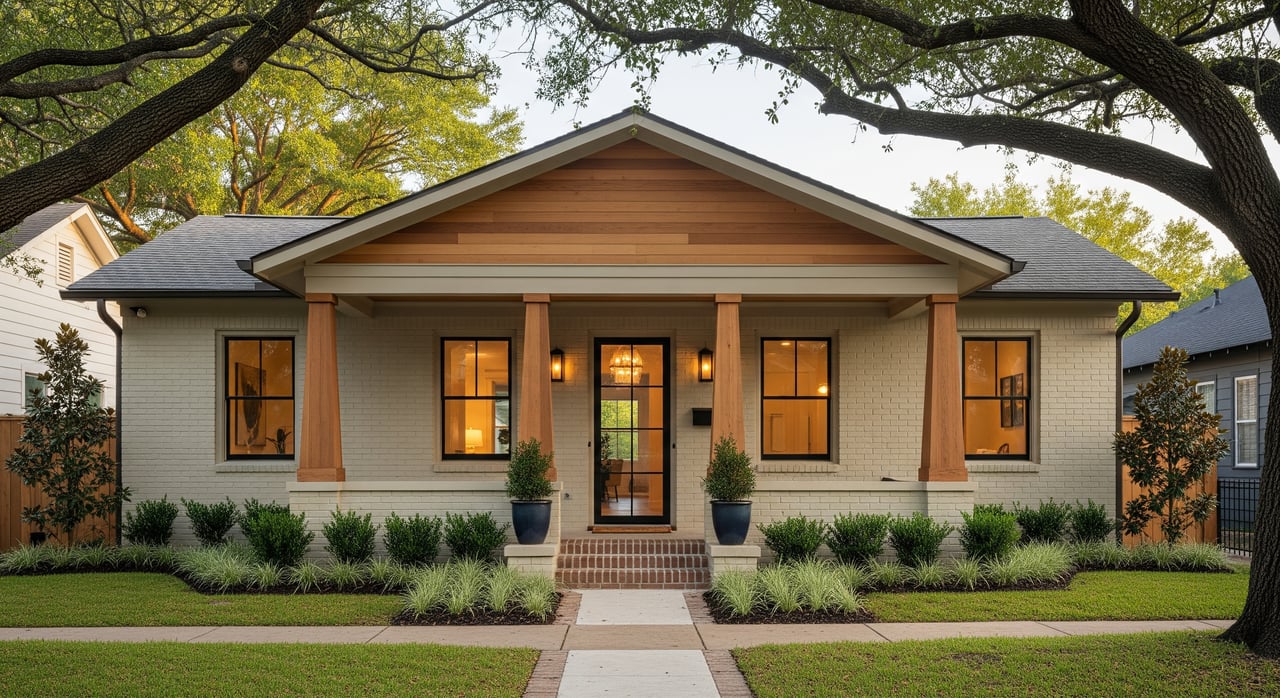
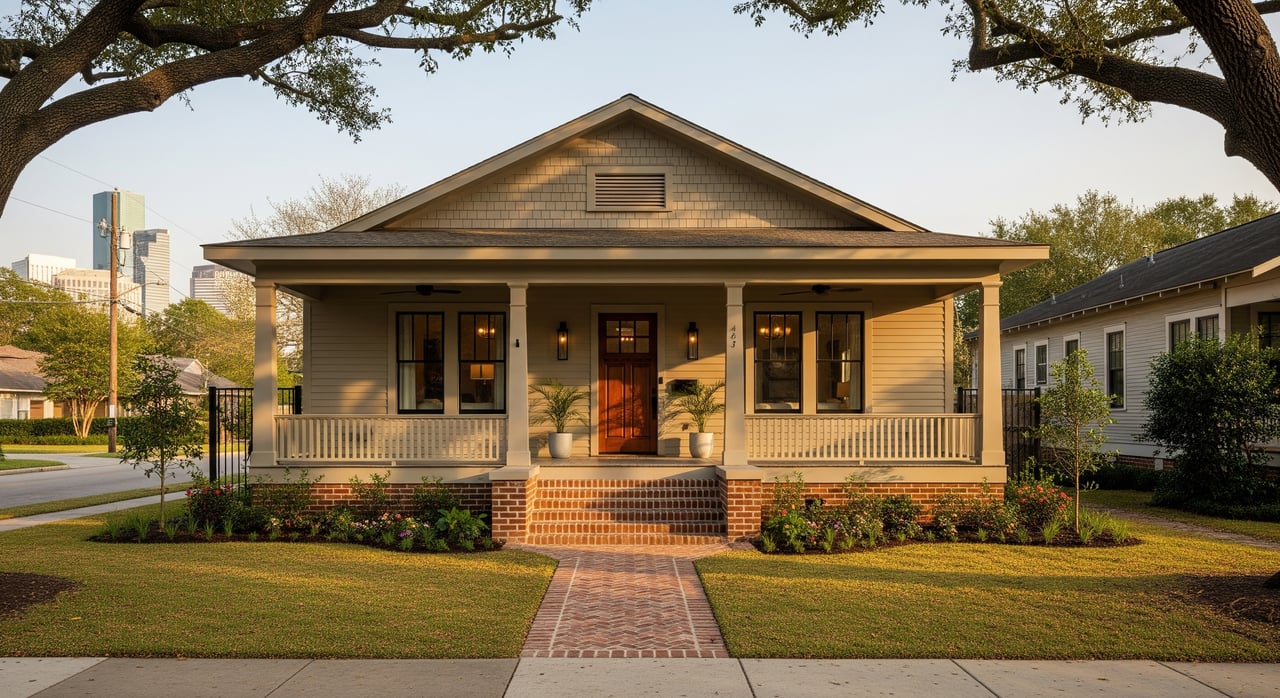
Original Heights bungalows often have smaller living areas and a wide range of condition. A well-renovated 1920s bungalow on a larger lot can show a high PPSF because buyers pay for both charm and land. An under-improved bungalow may show a lower PPSF, even when the lot alone is valuable. When in doubt, separate land value from the structure and compare to recent bungalow comps on similar lots.
Townhomes
Townhomes usually have smaller private lots or shared common areas. PPSF can look different from detached single-family homes because the land component is smaller and there may be HOA or POA fees. Compare attached to attached, and consider how annual fees affect your overall cost when you evaluate PPSF across townhomes.
New construction
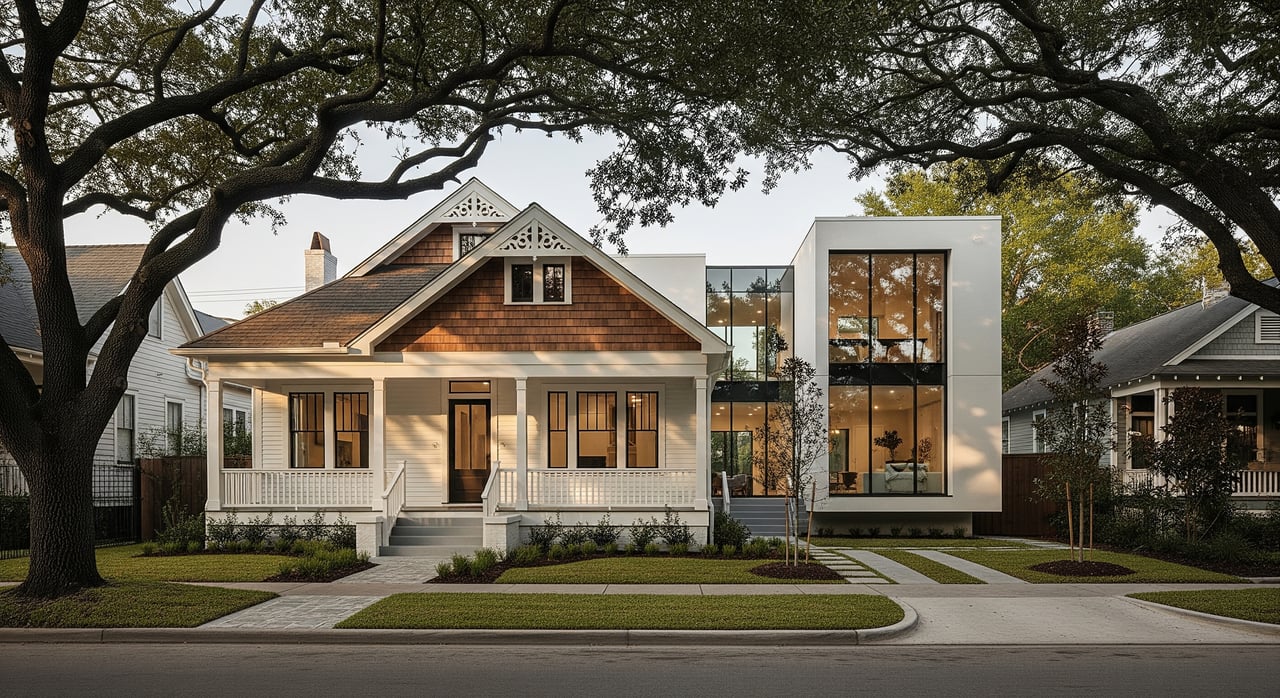
New builds often achieve the highest PPSF in the Heights. Buyers pay for modern layouts, energy-efficient systems, and fresh finishes, along with a premium for a cleared and prepared lot. If you are comparing a 1920s bungalow to a 2020s new build on the same street, evaluate the lot value and the new-structure premium separately to avoid overvaluing the older home.
Buyer strategies in 77008
If you are buying in the Heights, start with a tight set of comps for your exact property type. Verify living area and look closely at photos and remarks to understand finish level and layout. If a small bungalow shows an unusually high PPSF, ask how much of the price reflects the lot and future potential rather than the current living area.
For buyers who plan to expand or rebuild, consider your cost per developable lot square foot. That lens keeps you from overpaying for a structure you plan to change. It also helps you compare blocks where setbacks, lot dimensions, or overlays differ.
Seller strategies in 77008
If you are selling, know which new builds or renovated homes on your block are influencing today’s PPSF. If your home is older, present it as both a lived-in home and a valuable lot where appropriate. Be careful with claims about expansion or demolition if overlays may limit those options.
Show your pricing story with clarity. Include list price per living area and consider noting price per lot square foot when land is a major value driver. If you recently completed upgrades, gather documentation and, if needed, a pre-listing appraisal or contractor estimates to support your asking price.
Smart comp filters that work
Use practical defaults to keep comps relevant:
- Timeframe. Prioritize the last 6 months and extend to 12 months if activity is slow.
- Distance. Use the same block for street-level premiums, then widen to 0.25 to 0.75 miles.
- Property type. Keep detached with detached, attached with attached, and new builds with new builds.
- Size band. Compare within roughly 15 to 25 percent of the subject’s square footage. For smaller bungalows, also look at per-room and bath counts.
Renovations and ROI in the Heights
Renovations impact PPSF in two ways. An addition increases living area, which changes the denominator, while upgraded finishes raise the sale price. On smaller homes, even modest cosmetic improvements can move PPSF more than you expect because small changes act on a small living area.
Use regional cost-versus-value data alongside neighborhood comps to estimate likely payback for specific projects. Local appraisers and agents familiar with Heights blocks can help you calibrate expectations.
Common mistakes to avoid
- Relying on one PPSF number without comps and adjustments
- Mixing bungalows, townhomes, and new builds in the same comparison
- Ignoring lot width, depth, or corner-lot premiums
- Skipping verification of square footage when sources disagree
- Using neighborhood-wide averages that mask block-level differences
Your next steps
Whether you are pricing a bungalow on a deep lot near 19th Street or evaluating a new build on a quiet block, PPSF is only the start. Control for property type, verify living area, and isolate land value to reach a confident number. Then use adjusted comps to support your negotiation or list price.
If you want a clear, block-by-block pricing picture, reach out for a custom comp set and a quick walk-through of land value versus structure value for your home or target property. For bilingual guidance and investor-savvy advice that fits Houston Heights and 77008, connect with Daisy Guzman. Get your instant home valuation.
FAQs
How should Houston Heights buyers use PPSF alongside lot value?
- Start with structure PPSF using verified living area, then isolate land value using recent lot or teardown sales so you understand what you are paying for the house versus the lot.
Why does a small renovated bungalow show a high PPSF in 77008?
- The living area is small, so even modest price increases or premium finishes can push PPSF up, and part of the price often reflects a valuable lot.
What is the best way to compare a 1920s bungalow to a new build nearby?
- Separate land and structure values, compare the new-build PPSF to other new builds, and use an adjusted PPSF for the bungalow that reflects condition and features.
How do HOA or POA fees affect PPSF when comparing townhomes?
- Fees reduce your effective budget for the structure and land, so compare townhomes to townhomes and consider annual fees when reviewing PPSF.
Which comps should Houston Heights sellers prioritize when setting price?
- Focus on similar property type, same or nearby block within the last 6 months, and adjust for lot size, recent renovations, and features like parking or pools.