Thinking about a neighborhood where you can grab coffee on foot, bike along a bayou trail, and still be close to downtown? Houston Heights offers that mix of historic charm and modern convenience many buyers look for. If you want tree-lined streets, front porches, and independent shops without a long suburban commute, the Heights is worth a closer look. In this guide, you’ll learn what daily life feels like, what the homes and streets look like, how you’ll get around, and the practical details to check before you buy. Let’s dive in.
Why the Heights stands out
Houston Heights sits just northwest of downtown Houston in Harris County. It began as a streetcar-era suburb in the late 19th and early 20th centuries, and much of that human-scale feel remains. You’ll find preserved bungalows and Craftsman-style homes alongside newer infill, plus compact retail blocks where local businesses thrive. The name “the Heights” refers to relatively higher ground than some nearby areas, although actual elevation and flood risk vary by block.
Commercial life clusters on a few main corridors and nodes. Outside those areas, the streets are mostly residential and quieter. This balance gives you the option to be close to activity while living on a calm block.
Housing and streetscape
What you see block by block
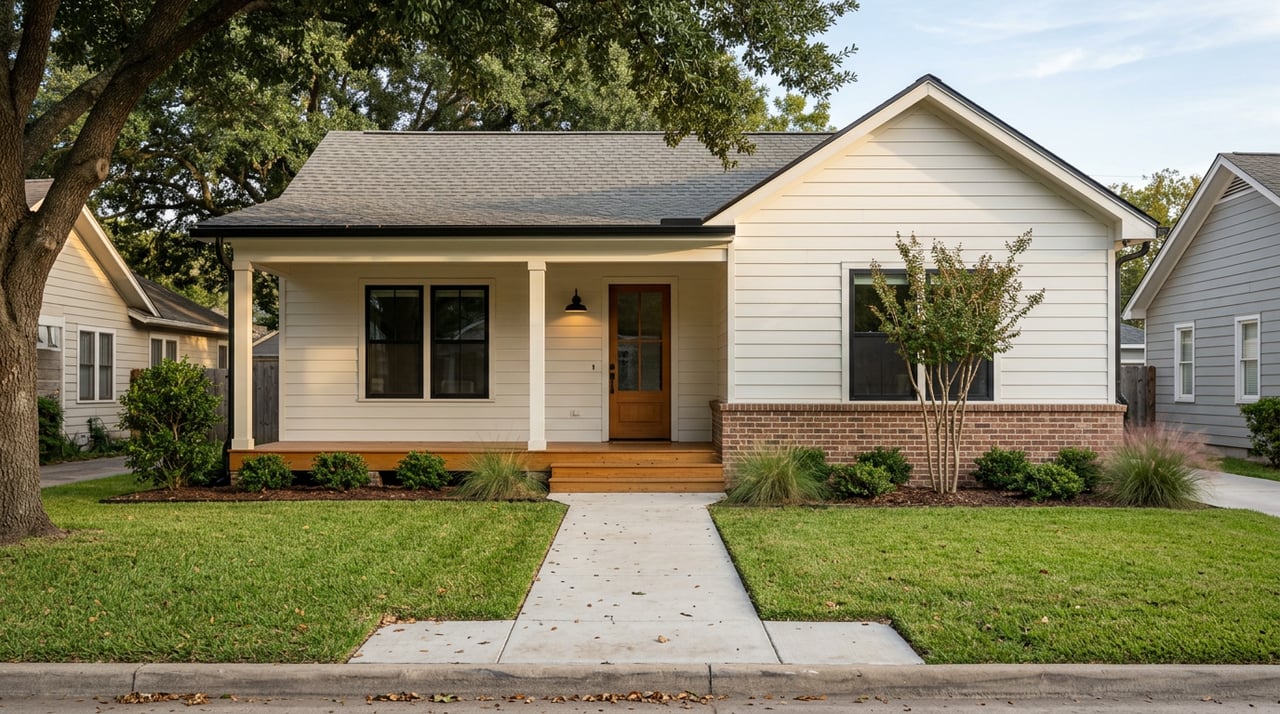
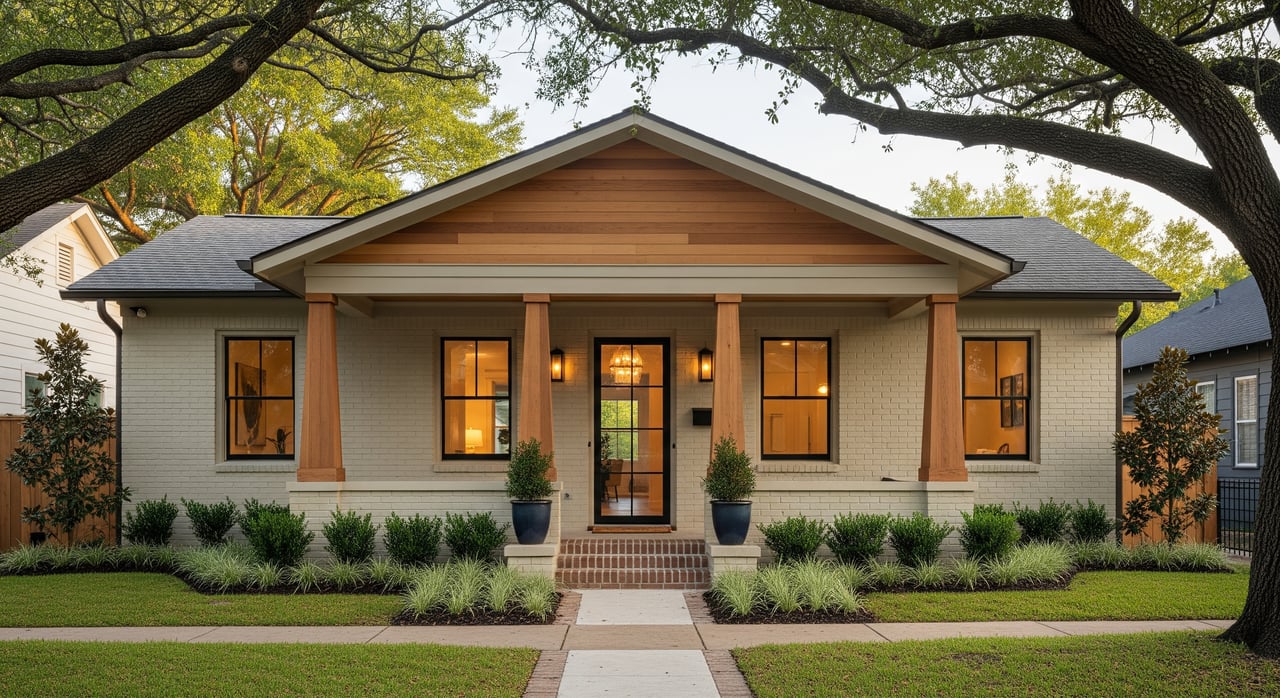
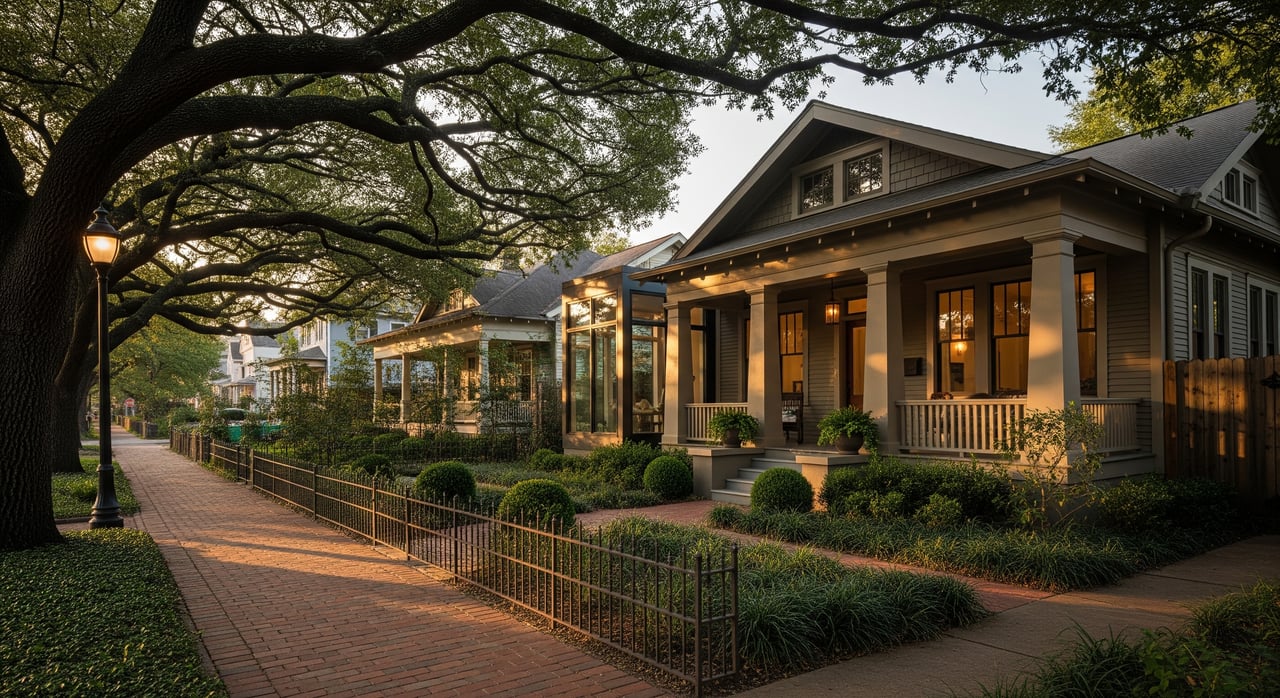
Expect variety. On the same street you might see an intact historic bungalow, a renovated Craftsman, and a contemporary replacement home. Many original houses have been preserved or expanded. Since the 1990s, steady infill has added townhomes and larger new builds on smaller lots.
Lots here tend to be smaller than typical suburban parcels. Older blocks often feature front porches, mature trees, and alley access or narrow driveways. Newer homes may use alley-loaded garages or front-drive configurations depending on the block.
Sidewalks are common and the grid street pattern makes walking straightforward. Some corridors feel especially walkable thanks to continuous sidewalks, shade, and compact retail.
Historic districts and design review
Parts of the Heights have local or national historic designations. In locally designated historic districts, exterior changes may require design review, which can affect renovation timelines and budgets. On non-designated blocks, property owners usually have more flexibility for demolition or rebuild under standard city rules.
If you love original materials and period details, you can find homes that respect the older character. If you prefer a newer build with modern systems, those options exist too. The key is to evaluate each property and its block context.
Daily life and amenities
Parks and bayou trails
White Oak Bayou and connected trails are major assets for walking, running, and cycling. They link the Heights to larger Bayou Greenways routes that reach toward the city’s central parks. Heights Boulevard also includes a linear median green in sections, which adds to the signature boulevard feel.
You’ll also find smaller parks and playgrounds tucked into residential areas. Many residents weave outdoor time into daily routines, from dog-walking to a quick jog before work.
Dining and shopping
The central Heights is known for independent restaurants, coffee shops, bars, and boutiques. Retail blocks are compact with ground-floor storefronts and on-street parking. The vibe is local and small-business oriented, and long-time favorites sit alongside newer spots.
Day to day, you can often handle errands and meals with short walks or short drives. Outside the commercial corridors, the area feels primarily residential, which keeps side streets calmer.
Markets and community events
Farmers markets, pop-up markets, and seasonal events are common throughout the year. Active neighborhood groups and small-business associations often sponsor gatherings and volunteer efforts. The result is a steady stream of weekend activities that give the Heights a strong community feel.
Getting around and commute
Driving realities
You have multiple routes into central Houston, which helps with flexibility. Off-peak drives to downtown are often reasonable. Peak hours can be congested, as in most central corridors, and timing depends on your exact starting point within the Heights.
Parking varies. Older homes may have smaller driveways or limited garage space. Newer infill typically includes off-street parking, and commercial blocks rely on on-street spots that can fill up during peak dining hours.
Transit, biking, and walking
METRO bus routes run through and near the Heights and connect to downtown and other neighborhoods. There are no light rail stops within the neighborhood. For some trips, the bayou trail network offers a practical bike route, especially toward central and west-side destinations.
Walkability is strongest along the commercial corridors and historic boulevards. If being car-light is important to you, consider homes closest to those streets or near the trail network.
Practical things to know
Flood risk and elevation
Even though the name suggests higher ground, flood risk is highly variable by block, especially near bayous. Many local buyers treat flood due diligence as a normal step. You should review FEMA and Harris County Flood Control District maps, request elevation certificates, and ask about past claims on any home you’re considering.
Recent bayou and Greenways improvements have boosted resiliency in some areas, but they do not remove property-level risk. If flood exposure is a concern, make it part of your early screening and compare insurance scenarios.
Renovation and permits
Older homes may need system upgrades, such as electrical, plumbing, or HVAC. If a property sits inside a local historic district, exterior changes can trigger design review that adds steps to the process. Plan time and budget for City of Houston permitting, and be realistic about preserving original materials if that’s your goal.
Redevelopment and construction
Proximity to downtown continues to attract redevelopment. On non-protected blocks, you may see parcel consolidation or replacement construction. If you value long-term tranquility, check nearby permits and visit at different times of day to understand construction patterns and traffic.
Noise and urban factors
Noise varies by location. Commercial corridors can be lively in the evening. Some areas are near rail or major roadways. The best way to gauge the experience is to visit a prospective home during morning, mid-day, and late evening, then on a weekend night.
Is the Heights a fit for you?
You may love the Heights if you want:
- A neighborhood feel with front porches and mature trees.
- Walkable blocks near local shops and restaurants.
- Quick access to bayou trails and short drives to downtown.
- A mix of historic character and modern infill.
You may prefer a different area if you want:
- Larger suburban lots with uniform setbacks.
- Minimal nearby construction or redevelopment.
- Very easy driveway and garage parking on every property.
- Ultra-quiet streets far from commercial activity.
Tips for buyers
- Walk the block. Look at setbacks, tree canopy, and how cars park. Note any nearby construction and traffic patterns.
- Ask about flood. Review FEMA and county flood maps, and request elevation certificates and prior claims history.
- Check historic status. Confirm whether the home sits within a local historic district and what that means for exterior changes.
- Plan your commute. Test drive your route at peak and off-peak times. Evaluate bus options and how close you are to the trails.
- Budget for systems. For older homes, factor in potential updates to electrical, plumbing, and HVAC.
Notes for investors
The Heights blends older housing stock with steady infill pressure. That creates opportunities for renovations, small multi-family ownership in select pockets, and long-term holds on well-located lots. Performance varies block by block, so underwrite conservatively and verify parking, permitting history, and any historic controls that could affect future plans.
If you manage rentals, pay attention to maintenance access on tight lots, alley conditions, and how parking arrangements fit tenant expectations. Proximity to retail nodes and trails can support demand, while flood exposure or noise sources may affect rent and turnover.
Next steps
If Houston Heights is on your shortlist, start with a street-level tour and a quick due-diligence checklist on any home that catches your eye. You’ll get a clearer sense of which blocks match your lifestyle and budget, and where the trade-offs feel right.
Ready for a guided search or a property-specific plan? Connect with Daisy Guzman for neighborhood-savvy advice in English or Spanish and a client-first process tailored to your goals.
FAQs
What is daily life like in Houston Heights?
- Expect walkable retail nodes, tree-lined residential streets, and easy access to bayou trails, with most errands handled by short walks or short drives.
Does Houston Heights flood?
- Flood risk varies by block, especially near bayous. Review FEMA and Harris County maps, request elevation certificates, and ask about prior claims on specific properties.
How walkable is Houston Heights for errands and dining?
- Central corridors and the historic boulevards are the most walkable, with compact retail, cafes, and on-street parking. Side streets are quieter and mainly residential.
What kinds of homes are in Houston Heights?
- You’ll see historic bungalows, Craftsman cottages, some Victorian-era homes, plus newer infill like townhomes and larger single-family replacements on smaller lots.
How is the commute from Houston Heights to downtown?
- Off-peak drives are often reasonable, while peak periods can be congested. Commute time depends on your exact location and route within the Heights.
Are there historic districts in Houston Heights, and what do they mean?
- Yes, some areas have local or national designations. In local districts, exterior changes may require design review, which can affect renovation timelines and costs.
What should investors consider in Houston Heights?
- Verify historic status, parking, and permitting history, underwrite conservatively, and assess flood exposure and noise sources that may impact rents and turnover.