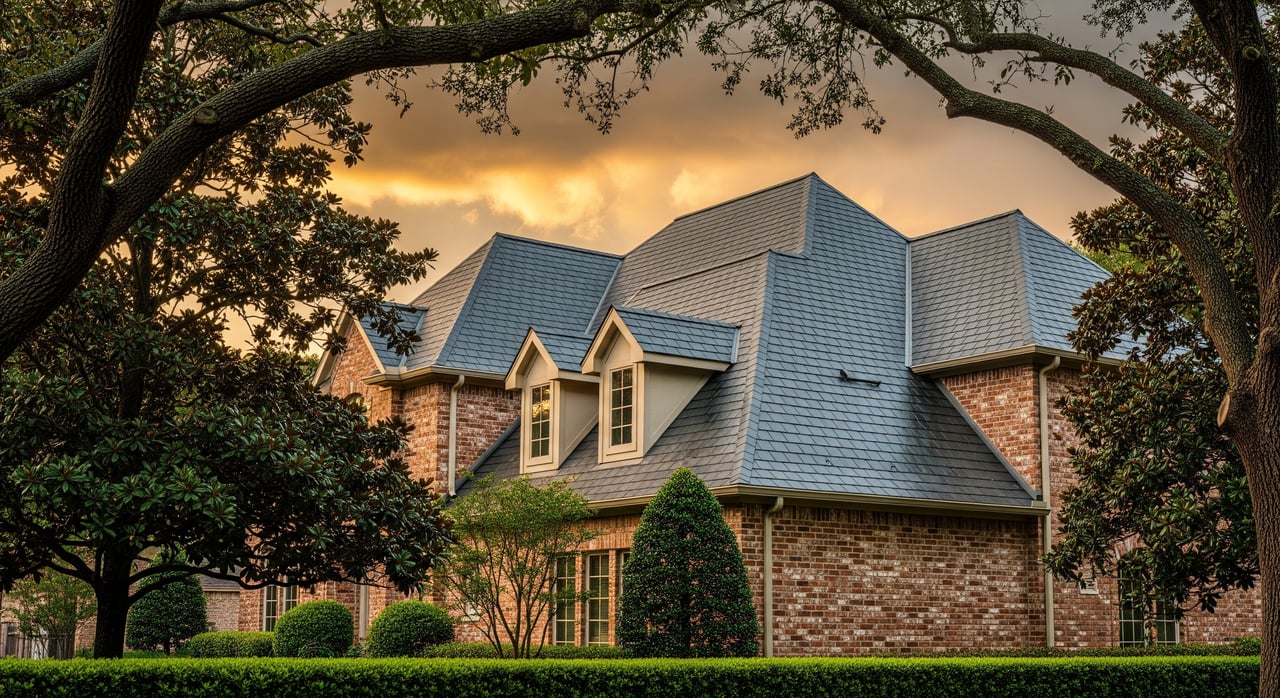
Storm season is part of life in Northside and Northline. If you own a home here in Houston, you know wind‑driven rain, humidity, and the occasional hailstorm can push a roof to its limits. You want a roof that keeps water out, stands up to gusts, and gives buyers confidence if you plan to sell. This guide breaks down the best storm‑hardy roofing choices for our area, the installation details that matter most, cost and value tradeoffs, and smart pre‑list upgrades that help you win on resale. Let’s dive in.
Northside weather and code basics
Northside and Northline sit within Houston’s Gulf Coast storm zone. You face episodic high winds from tropical systems, frequent heavy rainfall, year‑round humidity, and occasional hail. These conditions raise the bar on wind uplift resistance, water‑shedding, and moisture control.
Before any roof work, verify permit requirements with the City of Houston or Harris County. Local officials enforce the adopted residential code and any wind provisions. Manufacturer instructions and code requirements govern materials, fastening, and installation for warranty eligibility. You should also ask your insurer about potential premium credits for windstorm mitigation, since many carriers and the Texas Department of Insurance recognize documented upgrades.
Materials that take a beating
Correct installation is as important as material choice. The best material can fail if it is not fastened, sealed, and ventilated correctly. The options below perform well in Houston when properly installed.
High‑wind asphalt shingles
Architectural shingles are a popular, cost‑effective choice with solid storm performance when you choose the right product and installation. Look for shingles with published high‑wind ratings and testing standards such as ASTM D3161 or ASTM D7158. Many architectural shingles can reach 130 to 150 mph ratings when installed per manufacturer specs.
Impact‑resistant models (Class 3 or Class 4) can help with hail. Expect a typical lifespan of 25 to 30 years for higher‑end architectural shingles when ventilation and installation are dialed in. Common failure points in storms include nails that miss the deck or use the wrong pattern, and edges that lift when starter strips or adhesives are skipped.
Standing seam metal roofing
Metal shines in wind when engineered and installed correctly. Standing seam systems with concealed clips have strong uplift resistance and fewer penetrations. Use corrosion‑resistant fasteners and follow exact spacing patterns. Flashing and allowances for thermal movement are critical to prevent leaks.
You can expect a long service life, often 30 to 70 years depending on the system. Some metal roofs can dent in large hail, though thicker gauges and some coatings reduce denting risk. If noise is a concern on exposed‑fastener systems, insulation helps.
Concrete and clay tile
Tile can last 50 years or more and resists rot and insects. The extra weight can help with wind, but only if the attachment is engineered correctly. Your roof structure must be evaluated for the added load, and retrofits may require reinforcement. Proper anchorage, clips or mortar, and high‑quality underlayment are essential to keep wind‑driven rain out.
Low‑slope membranes
For porches, garages, and multifamily roofs with low slopes, single‑ply membranes like TPO or PVC perform well when fully adhered and heat‑welded at seams. Modified bitumen is also common. Wind performance depends on correct edge terminations, mechanical attachment or adhesion, and clean drainage with scuppers and overflows. Avoid ponding water, since it accelerates wear.
Installation details that matter most
A roof that survives a storm is about system details. Focus on these items during bids and inspections.
Fasteners and attachment
Use the fastener type and pattern specified by the manufacturer. For shingles, high‑wind installs often call for 6 nails per shingle and, in many cases, ring‑shank nails for better pull‑out resistance. Fastener length must penetrate the deck and into framing as required.
For metal, clip‑attached standing seam panels help with uplift. Where screws are used, choose corrosion‑resistant screws with sealing washers and proper embedment into structural members.
Underlayment and secondary barriers
A quality synthetic underlayment outperforms traditional felt in tear resistance and water holdout. Add self‑adhering membrane at eaves, rakes, valleys, and around penetrations to block wind‑driven rain. In hurricane‑prone areas, a continuous secondary water barrier is strongly recommended and often favored by insurers.
Deck thickness and nailing schedule
A solid deck matters. Use code‑approved sheathing, and make sure the deck is nailed to rafters or trusses with the correct pattern and spacing. This reduces panel blow‑off and supports the roof covering during high winds.
Flashing, penetrations, and edges
Most leaks happen at details, not in the field of the roof. Demand step flashings at walls, boots at plumbing vents, and correctly integrated counter‑flashing at chimneys and skylights. Install metal drip edge and secure starter strips to reduce edge lift.
Roof‑to‑wall connections
Tie the roof to the walls and the foundation with hurricane clips or straps where accessible. Secure fascia and soffits, and protect soffit vents against wind intrusion and pests. Strong connections reduce the risk of structural uplift.
Ventilation and moisture control
Balanced attic ventilation helps manage Houston’s humidity and heat. A common target is 1:300 net free ventilating area when using a balanced system and a vapor retarder, but always follow current code and manufacturer instructions. Keep insulation from blocking soffit intakes, seal air leaks, and maintain a continuous air barrier to limit condensation and mold risk.
Cost and durability guide for Northline
Every roof is a budget decision. Use this quick guide to match goals with performance.
Budget option: basic 3‑tab shingles
This is the lowest upfront cost. It can work for short‑term ownership or strict budgets. The trade‑offs include shorter lifespan in Houston’s humidity, lower wind ratings unless upgraded, and less appeal to buyers who value durability.
Best value: architectural shingles with upgrades
For many Northside homes, high‑wind rated architectural shingles with a full system install offer the strongest value. Combine synthetic underlayment, self‑adhering membrane at eaves and valleys, upgraded fasteners, and balanced ventilation. With the right model and pattern, these systems can meet 130 to 150 mph wind ratings.
Premium durability: metal or engineered systems
Standing seam metal, properly designed tile, or a Fortified‑style approach delivers top performance and resale appeal. You pay more upfront, but you gain long life, strong wind resistance, and potential insurance benefits when documented. Skilled installers are essential.
Low‑slope picks
Choose fully adhered TPO or PVC with welded seams, or properly installed modified bitumen, and specify edge terminations, attachment, and drainage details that meet wind standards. Do not accept shortcuts at edges or scuppers.
Smart pre‑list upgrades for sellers
If you plan to sell in the next year or two, focus on improvements that boost buyer confidence and pass inspections.
- Replace worn roofs with high‑wind rated architectural shingles or consider standing seam metal where it fits the home and budget.
- Add self‑adhering secondary barriers at eaves, valleys, and penetrations to harden against wind‑driven rain.
- Correct attic ventilation and insulation and document the work.
- Strengthen roof‑to‑wall connections where accessible or obtain documentation of existing connectors.
- Gather warranties and records, including manufacturer product warranties, the contractor’s workmanship warranty, permits, and any third‑party inspections or certifications.
These steps help buyers feel informed and reduce surprises during option periods and appraisals. They can also support insurance conversations for the next owner.
Step‑by‑step plan for your roof
- Inspect: Hire a licensed roofer to perform a documented inspection with photos of the deck, fasteners, and any problem areas.
- Get three bids: Ask for written estimates that specify material model, wind rating, fastener type and spacing, underlayment and secondary barrier locations, flashing details, and ventilation plan.
- Verify permits and warranties: Confirm the contractor will pull required permits and provide a written workmanship warranty. Make sure the installation meets manufacturer instructions so product warranties stay valid.
- Ask your insurer: Share planned mitigation items like wind‑rated shingles, secondary barriers, and hurricane straps to confirm any premium credits.
- Check HOA and local rules: Confirm materials and colors are allowed, and that edge profiles and panels meet community standards.
Resources to know
- Texas Department of Insurance: consumer guidance on windstorm mitigation and roofing considerations.
- Insurance Institute for Business & Home Safety: FORTIFIED Home standards and research on wind‑driven rain.
- National Roofing Contractors Association: industry best practices for installation, underlayments, ventilation, and metal systems.
- FEMA publications: guidance on wind retrofit and roof attachment techniques.
- City of Houston Development Services: local permits and code enforcement for roofing.
Houston’s weather rewards careful planning. Whether you choose high‑wind architectural shingles or a standing seam metal system, the key is a complete, code‑compliant installation that controls water, resists uplift, and manages attic moisture. When you document those upgrades, you protect your home today and support resale value tomorrow.
If you want a local plan that fits your budget and timeline, I am here to help. Get practical guidance on materials, inspections, and pre‑list choices that make sense for Northside and Northline. Hablamos español. Connect with Unknown Company to get your instant home valuation.
FAQs
What roofing materials resist Houston storms best?
- Architectural shingles with high‑wind ratings or standing seam metal perform well when installed per manufacturer specs, with correct underlayment and fastening.
Do I need metal to have a storm‑resistant roof?
- No. High‑wind architectural shingles plus a strong secondary water barrier, proper fasteners, and correct deck nailing can deliver very good wind performance.
How important is underlayment in Northside?
- It is critical. Synthetic underlayment and self‑adhering membranes at eaves, valleys, and penetrations reduce wind‑driven water intrusion.
Will extra nails fix a weak roof?
- Not by themselves. Fasteners must be the right type, length, and pattern, and the deck, flashings, and attachments must be correct as a system.
Can I get insurance discounts for roof upgrades?
- Possibly. Many insurers offer credits for documented mitigation measures like wind‑rated products, secondary water barriers, and hurricane straps. Ask your carrier first.